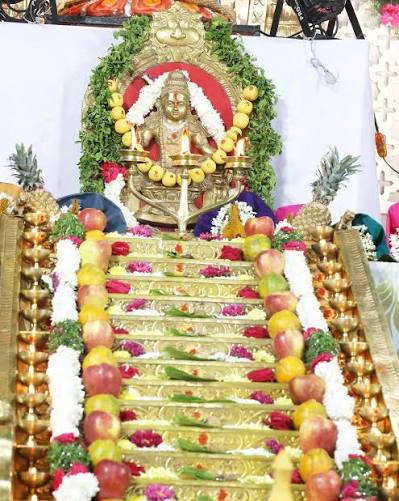
Invoke Divine Grace and Blessings
Ayyappa Swamy Pooja
When / Occasion:
Performed during the Mandala season, on Saturdays, Ayyappa Vratham, Makara Sankranti/Makaravilakku, or when seeking Lord Ayyappa’s blessings for devotion, protection, discipline, and spiritual strength.
Available as: Live Stream (join via app/Zoom) · Recorded (delivered within 24 hrs) · In-Person (India cities)
Starting From
₹
3,001
Duration:
1.5-2 hrs

Divine Benefits
01
Protection & wellbeing
Wraps you and your family in divine protection.
02
Divine grace invoked
Draws the deity's blessings into your life and home.
03
Obstacles removed
Clears blocks standing between you and your goals.
04
Spiritual strength
Deepens your connection to your ishta devata.
05
Inner peace
Brings calm, clarity and spiritual grounding.
Vedic Procedure
Prayer started in your name
The pooja is started in your name and family name (gotra), so the prayer is offered only for you and your family.
First we pray to Ganesh ji
We first pray to Ganesh ji to clear all obstacles, and set up the holy kalash so the pooja begins the right way.
Ayyappa Swamy is welcomed and worshipped
Ayyappa Swamy is invoked and worshipped with flowers, lamp (deep), dhoop and other offerings, exactly as the shastras prescribe.
Holy mantra chanting
The sacred mantras and stotras for Ayyappa Swamy are chanted to put full devotional power into your prayer.
Aarti and final offering
A closing aarti is performed and the final offering (naivedya) is made to complete the pooja and bless your wish.
Pandits
0
Ayyappa Swamy Pooja
₹
4,001
₹
3,001
WHAT'S INCLUDED
Services Included
Every AgniBliss ritual is thoughtfully conducted with authentic traditions, experienced pandits, and all the essentials for a seamless spiritual experience
Experienced
Vedic Priest
Certified Pandits with years of experience performing authentic Vedic rituals

Complete
Ritual Materials
All essential pooja items, including flowers, fruits, kalash, lamps, and sacred offerings

Sacred
Chanting & Katha
Recitation of Vedic mantras and the Satyanarayana Katha following traditional procedures.
